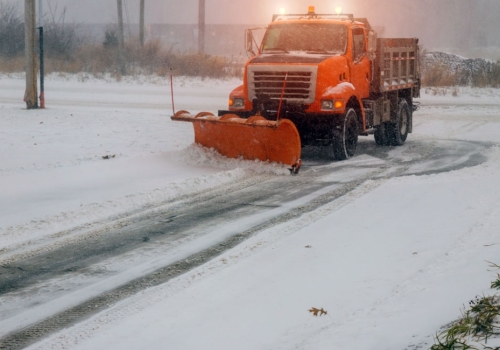
Winter Operations Safety

Chainsaw Safety During Winter Tree and Limb Removal

Chainsaw Safety During Winter Tree and Limb Removal

Winter storms often leave public works crews facing downed trees, hanging limbs, and debris blocking roadways. Snow, ice, freezing temperatures, and limited daylight significantly increase the hazards associated with chainsaw operations. Proper planning, correct PPE, and disciplined cutting techniqu…

continue

Salt and Sand Spreader Safety

Salt and Sand Spreader Safety

Salt and sand spreaders are essential tools for maintaining safe winter roadways, but they also introduce a range of hazards that crews must manage carefully. Operators work around heavy equipment, moving conveyors, spinning disks, and corrosive materials, often in darkness or bad weather. A well ma…

continue
Preventing Slips, Trips, and Falls on Icy Surfaces

Preventing Slips, Trips, and Falls on Icy Surfaces

Slips, trips, and falls are among the most common winter injuries for public works and highway crews. Whether workers are clearing snow, loading materials, stepping out of a plow truck, or walking through the yard, icy surfaces create unpredictable hazards. A single misstep can lead to sprains, stra…

continue
Pre-Trip Inspections for Snowplows and Winter Fleet

Pre-Trip Inspections for Snowplows and Winter Fleet

Winter operations place tremendous demands on plow trucks, loaders, graders, and support vehicles. Equipment that works flawlessly in summer can fail quickly in freezing temperatures, blowing snow, or during long-duration winter storm events. A thorough pre-trip inspection is one of the most importa…

continue
Managing Fatigue During Long Duration Storm Events

Managing Fatigue During Long Duration Storm Events

Winter storm operations often require highway and public works crews to work through the night, sometimes for twelve, sixteen, or even twenty-four hours straight. These long shifts are necessary to keep roads safe for the public, but they also create a serious safety concern for the workers behind t…

continue
Dealing with Frozen Culverts and Blocked Outfalls Safely

Dealing with Frozen Culverts and Blocked Outfalls Safely

Frozen culverts and blocked outfalls are common winter problems that can lead to flooding, road washouts, property damage, and hazardous driving conditions. Public works and highway crews are often called to restore flow quickly, sometimes during severe weather or freezing temperatures. Because thes…

continue
Safe Snowplow Operations in Low Visibility

Safe Snowplow Operations in Low Visibility

Snowplow operators face some of the most challenging and hazardous conditions in public works. Blowing snow, darkness, sleet, freezing fog, and heavy snowfall can reduce visibility to only a few feet. When visibility deteriorates, the risk of collisions, roadway departures, and equipment damage incr…

continue
Proper Layering and Winter PPE for Field Workers

Proper Layering and Winter PPE for Field Workers

Winter operations demand long hours in freezing temperatures, blowing snow, and damp conditions. Without the right clothing and protective equipment, road crews can quickly face hypothermia, frostbite, and reduced mobility. Proper layering and winter-specific PPE allow workers to stay warm, dry, and…

continue
Cold Stress Awareness for Road Crews

Cold Stress Awareness for Road Crews

Winter weather brings unique hazards to public works and highway departments, and cold stress is one of the most dangerous. Crews working through snow, ice, and freezing temperatures must understand how cold stress develops, the early warning signs, and the actions needed to keep each other safe. Th…

continue