
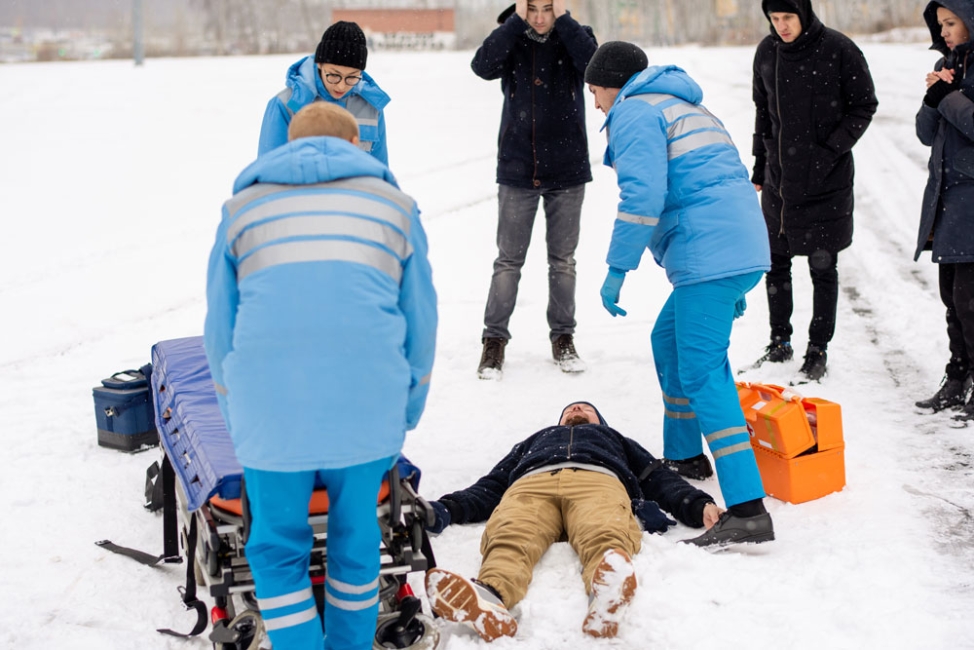
Winter weather brings unique hazards to public works and highway departments, and cold stress is one of the most dangerous. Crews working through snow, ice, and freezing temperatures must understand how cold stress develops, the early warning signs, and the actions needed to keep each other safe. This article provides clear guidance for supervisors and field staff responsible for snow removal, storm response, and winter maintenance.
Cold stress occurs when the body can no longer maintain its normal temperature. As the body loses heat faster than it can produce it, vital systems begin to slow down, putting the worker at risk of severe injury or death. Winter operations create the perfect environment for cold stress: low temperatures, wind, wet clothing, fatigue, and long work shifts.
Cold stress is not a single condition. It is a category of cold-related injuries that includes hypothermia, frostbite, and trench foot. Road crews must understand all three.
Hypothermia happens when the body core temperature drops below 95 degrees Fahrenheit. Even mild hypothermia affects coordination and decision-making, which is especially dangerous for equipment operators.
Uncontrollable shivering
Slurred speech
Clumsy movements or stumbling
Confusion or irritability
Slow heart rate or breathing
Move the worker to a warm location.
Remove wet clothing and replace with dry layers.
Provide warm drinks, but never alcohol.
Call emergency services if the worker seems confused or stops shivering.
Do not apply direct heat like heating pads or hot water.
Frostbite occurs when skin and tissue freeze. It most often affects fingers, toes, ears, and the nose, especially when wind speeds are high.
Pale, waxy, or grayish skin
Hard or numb skin
Tingling or burning sensation
Blisters in severe cases
Move the worker into a warm vehicle or building.
Rewarm the area slowly using body heat or warm (not hot) water.
Never rub or massage the frostbitten area.
Seek medical care if discoloration or numbness persists.
Trench foot occurs when feet are exposed to wet or cold conditions for long periods. Winter slush, soaked boots, and long storm shifts make road crews particularly vulnerable.
Red, swollen, or painful feet
Tingling or numbness
Blisters or open sores in severe cases
Dry feet thoroughly and change into dry socks.
Allow feet to warm slowly.
Rotate workers so no one has to stand in wet boots for long durations.
Several factors common in municipal winter work increase the risk of cold stress:
Wet gloves, boots, or clothing
Exposure to wind
Heavy physical exertion that turns into sweat, then chills
Extended shifts during snowstorms
Lack of rest periods
Working alone without frequent check-ins
Fatigue from repeated night shifts
Dehydration
Supervisors must monitor these factors regularly and adjust assignments to protect their crews.
Winter maintenance requires preparedness, and prevention begins before crews head out the door.
Use moisture-wicking base layers.
Add insulating mid-layers like fleece or wool.
Wear waterproof and windproof outer shells.
Keep spare gloves, socks, and hats available in the truck.
Use face coverings and neck gaiters during high wind.
Wet clothing is the fastest route to hypothermia. Encourage crews to change wet items immediately.
Warming breaks are not optional in extreme cold. Crews should rotate into heated spaces such as trucks, break rooms, or warming shelters.
Cold weather reduces thirst, but hydration is essential. Warm drinks and regular meals maintain energy and body heat.
Workers should never operate alone in extreme cold. Everyone on the crew should watch for early signs of cold stress in themselves and others.
Supervisors should:
Check the wind chill before each shift
Issue cold weather advisories
Adjust break schedules as needed
Monitor workers for changes in behavior or appearance
Long-duration storm events cause fatigue, which increases cold stress risk. When workers are tired, they are less aware of numbness, shivering, and dangerous symptoms. This makes proper shift rotations crucial. Crews must be encouraged to speak up if they need a break or are feeling cold-related symptoms.
Workers who are not accustomed to winter operations are more vulnerable. Supervisors should:
Provide additional training
Pair new workers with experienced operators
Allow extra warm-up breaks
Monitor them closely during their first few storms
Cold stress is a serious hazard that requires consistent vigilance throughout winter. Public works and highway departments that train their crews, plan ahead, and monitor conditions help prevent injuries and maintain safe operations. Strong communication and proper preparation are the keys to preventing cold-related emergencies during winter maintenance.