Equipment & Vehicle Safety

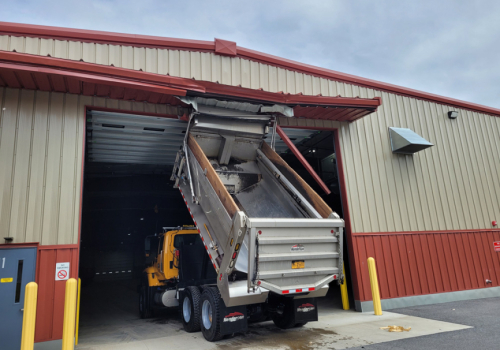
The Critical Importance of Dump Body-Up Alarms in Public Works Operations

The Critical Importance of Dump Body-Up Alarms in Public Works Operations

*The above image was taken at the Queensbury Highway Department in upstate New York. The driver had just finished washing out the dump body on the truck and was returning it to the garage. This truck was manufactured with a dump body-up light, but no audible alarm. It may look as if they merely need…

continue

Preventing Equipment Rollovers on Uneven or Soft Ground

Preventing Equipment Rollovers on Uneven or Soft Ground

Rollovers remain one of the deadliest risks in public works and construction. Whether operating loaders, backhoes, tractors, graders, mowers, or dump trucks, crews frequently work on slopes, shoulders, work pads, and utility trenches. Soft ground, hidden voids, steep grades, and unstable edges can c…

continue
Pre Start Inspections for Heavy Equipment and Why They Matter

Pre Start Inspections for Heavy Equipment and Why They Matter

Before any excavator, loader, grader, backhoe, or skid steer begins work, the operator should complete a thorough pre start inspection. This daily check is one of the simplest and most effective ways to prevent accidents, breakdowns, and costly downtime. For public works crews who rely on heavy equi…

continue
Spotter Communication Tips for Excavators and Dump Trucks

Spotter Communication Tips for Excavators and Dump Trucks

Spotters play a critical role in preventing struck by incidents and equipment collisions on public works job sites. Excavators and dump trucks both have large blind spots and move heavy loads in tight spaces. Without a clear and reliable communication system, operators cannot safely navigate around …

continue
Understanding Swing Zones and Keeping Ground Crews Clear

Understanding Swing Zones and Keeping Ground Crews Clear

When heavy equipment moves, it does more than travel forward and backward. Machines like excavators, backhoes, loaders, and cranes also rotate, pivot, and swing large components that can strike workers who are standing too close. These movements create what are known as swing zones. Understanding wh…

continue