
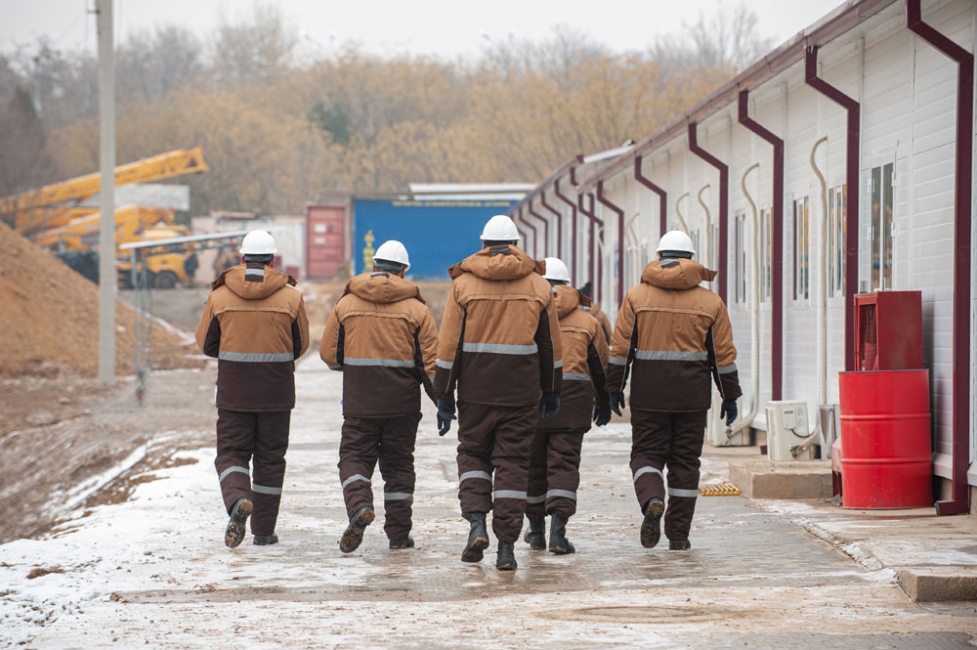
Slips, trips, and falls are among the most common winter injuries for public works and highway crews. Whether workers are clearing snow, loading materials, stepping out of a plow truck, or walking through the yard, icy surfaces create unpredictable hazards. A single misstep can lead to sprains, strains, broken bones, or even head injuries. Preventing these incidents requires preparation, proper footwear, good housekeeping, and safe movement techniques.
This article explains how crews can stay upright and injury free while working on icy surfaces throughout the winter season.
Winter brings several unique conditions that increase the likelihood of losing footing.
Common contributors include:
Ice hidden beneath snow
Black ice that appears as wet pavement
Refreezing meltwater near buildings and equipment
Packed snow in parking lots and around fuel pumps
Uneven surfaces made worse by ice buildup
Wet truck steps and equipment platforms
Reduced visibility during storms
Bulky winter clothing that restricts movement
Understanding these hazards is the first step toward preventing injuries.
Proper footwear is the most effective tool for preventing slips on snow and ice.
Insulated work boots for warmth
Deep tread for improved traction
Slip resistant, rubber soles
Waterproof design to keep feet dry
Proper ankle support
Workers should inspect their boots frequently and clean out compacted snow from the tread.
In especially icy areas, traction aids can dramatically reduce risk.
Best practices:
Use traction cleats or over-the-boot devices on icy surfaces
Remove them before driving or entering buildings
Inspect devices for broken spikes or loose straps
Traction devices improve stability but must be used correctly.
Even with good footwear, workers must adjust their walking habits on slippery ground.
Point feet slightly outward
Take short, shuffling steps
Keep your center of gravity over your feet
Avoid sudden movements
Keep hands out of pockets for balance
Use handrails whenever available
Step down carefully from equipment
Maintain three points of contact when climbing ladders or steps
Test surfaces with the toe before committing full weight
Moving slowly and deliberately helps prevent falls.
Most slips and falls occur not in the field but in the parking lot, fuel area, or equipment yard.
Apply salt or sand regularly during storms
Clear walkways, entrances, and fueling areas
Mark problem spots like slopes or drainage paths
Remove snow around dumpsters, loading docks, and sheds
Ensure good lighting around walkways and parking areas
Keep spill kits near fuel pumps to manage slippery drips
Daily housekeeping prevents many slip hazards before they develop.
Climbing in and out of trucks is one of the highest risk activities in winter.
Knock snow and ice off boots before stepping on equipment
Grip grab handles firmly with both hands
Never jump out of the cab
Step down slowly, facing the vehicle
Use three points of contact at all times
Avoid carrying tools or materials in your hands when climbing. Use tool belts or pass items down instead.
Road crews often must work on shoulders, slopes, or crowded intersections where footing is poor.
Salt or sand work areas before beginning tasks when possible
Wear high visibility winter apparel so motorists can detect slower movement
Use shovels or brooms to remove loose snow underfoot
Assign spotters during high hazard tasks
Avoid lifting or carrying heavy loads on icy surfaces
Supervisors should assess conditions regularly and reposition crews if necessary.
Not all ice forms the same way. Some types are more dangerous than others.
Freezing rain
Overnight refreeze after daytime melt
Drifting snow covering hidden ice patches
Areas where downspouts or roof meltwater drains across walkways
Wind chills that cause sudden icing on hard-packed snow
Crews should stay alert for these conditions during winter maintenance rounds.
Training ensures every worker understands the importance of slip prevention.
Training topics should include:
Proper footwear selection
Use of traction aids
Moving safely on ice
Entering and exiting vehicles
Recognizing and treating icy surfaces
Reporting hazardous areas
Understanding cold stress when a fall occurs outdoors
Regular reminders during winter toolbox talks reinforce safe habits.
If a worker does fall, immediate assessment is important.
Check for head, back, or neck injuries
Look for signs of sprains, fractures, or bruising
Move the worker to a safe, warm location
Report the incident to a supervisor
Document the location and surface conditions
Apply first aid and seek medical evaluation when necessary
Even minor falls can lead to lingering injuries if not treated properly.
Preventing slips, trips, and falls on icy surfaces requires attention to footwear, proper walking techniques, housekeeping, and safe equipment use. Winter operations are demanding, and keeping workers upright is essential for maintaining productivity and preventing injuries. When crews understand the hazards and use consistent safety practices, winter slip and fall incidents become far less common.