
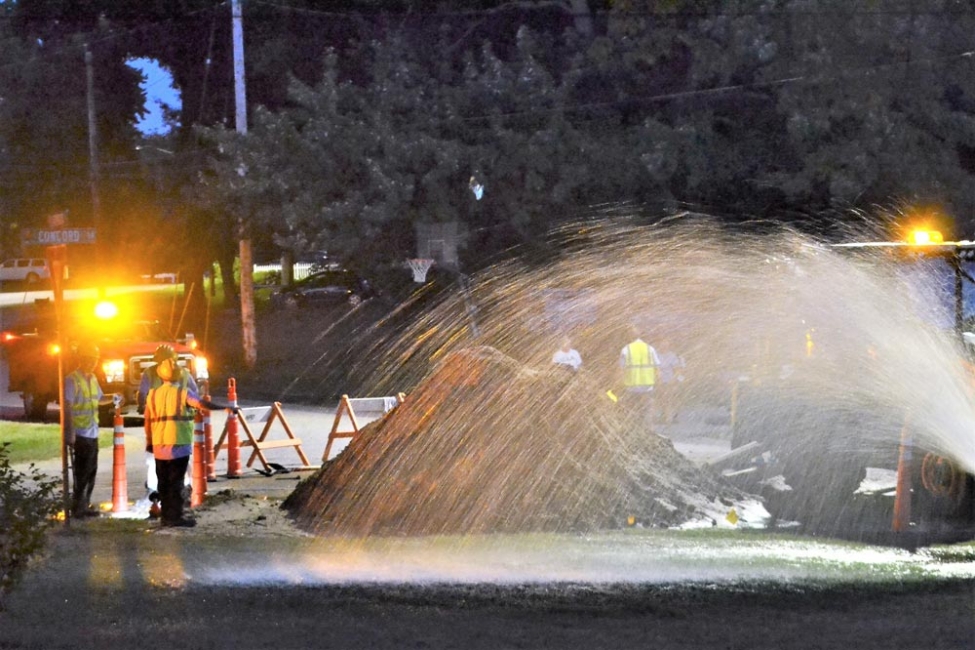
Darkness amplifies every hazard. Drivers have reduced reaction times, glare complicates visibility, and shadows can obscure workers or equipment. Even familiar tasks become more challenging, so supervisors must treat night work as a distinct operational environment that requires specific controls. A well prepared team understands that light, visibility, and communication are the backbone of safe night operations.
Quality lighting is the most important engineering control for nighttime work. Work zones should be illuminated evenly so workers can see surfaces, edges, and hazards without dealing with harsh glare.
Key considerations for lighting:
Use multiple light sources rather than a single tower to avoid deep shadows.
Aim lights downward and away from traffic to prevent blinding drivers.
Check generator placement to maintain safe distance from exhaust, noise, and trip paths.
Inspect cords and connections for damage before activation.
Periodically adjust lighting as work progresses, since equipment movement can block beams or create new dark zones.
Adequate lighting is not about flooding the site with brightness. It is about placing light where crews need it, maintaining consistent coverage, and respecting the safety of passing vehicles.
Night operations demand PPE that makes every worker impossible to miss. Retroreflective vests, jackets, and even gloves ensure workers are visible from every direction, regardless of where headlights strike.
Best practices for high visibility PPE:
All workers should wear Class 2 or Class 3 ANSI compliant garments, depending on traffic speeds.
Select clothing with 360 degree reflective striping, including the torso and limbs.
Inspect vests and jackets regularly, replacing worn or dirty gear that no longer reflects adequately.
Consider retroreflective hard hat bands, which help drivers recognize worker movement.
Encourage staff to wear retroreflective outer layers over rain gear, since dark waterproof clothing can negate visibility.
PPE is not merely a requirement. It is one of the most effective controls for night visibility, and it is often the only thing standing between a worker and an approaching vehicle.
Lighting and PPE are essential, but they are not enough without clear communication. Good coordination keeps people aware of equipment movements, traffic patterns, and changing work conditions.
Tips for effective crew coordination:
Begin with a short tailgate briefing addressing traffic flow, lighting setup, escape routes, and equipment zones.
Identify and empower a single point of contact to communicate with law enforcement or flagging operations.
Use two way radios rather than shouting across equipment noise.
Establish hand signals that all crew members understand.
Keep the swing zones of machinery clearly defined to prevent workers from entering blind areas.
Rotate staff frequently to prevent fatigue, which accelerates during night work.
Night operations run smoothly when every worker knows where they should be and who is responsible for what.
Public works crews take on difficult and often dangerous tasks while most of the community sleeps. With proper lighting, reliable retroreflective PPE, and coordinated communication, departments can dramatically reduce nighttime risks. Planning ahead and investing in visibility measures protect the workforce and ensure essential services continue without incident. Keeping crews safe in the dark starts with thoughtful preparation and consistent training.