
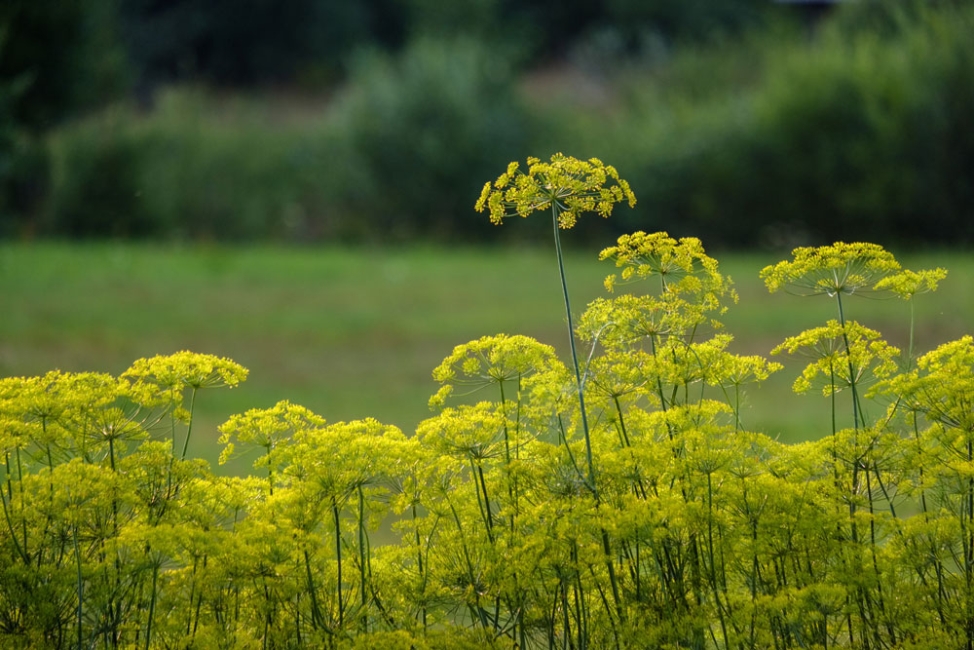
Wild parsnip is becoming more common along roadsides, drainage ditches, utility corridors, and unmowed rights of way. For public works employees, it is more than just an invasive weed. Its sap can cause a painful skin reaction called phytophotodermatitis, which results in severe blistering when the sap touches the skin and is then exposed to sunlight. Burns from wild parsnip can last for weeks and often leave long term discoloration or scarring.
Understanding how to identify wild parsnip and how to avoid contact is essential for the safety of highway and public works crews.
Wild parsnip contains chemicals called furanocoumarins in its sap. When these chemicals contact human skin and the skin is exposed to sunlight, a reaction occurs that causes:
Redness and inflammation
Large, painful blisters
Long lasting brown or purple discoloration
Increased skin sensitivity to sunlight for months
This reaction is not an allergic response. It can happen to anyone, even with very brief contact. Workers often do not realize they touched the plant until the burn appears later.
Public works crews are most likely to encounter wild parsnip in:
Roadside ditches
Utility corridors
Drainage channels
Meadow edges
Unmowed embankments
Abandoned fields
Trails and rights of way
Because it spreads easily by seed, wild parsnip often forms large colonies that return year after year if not controlled.
Wild parsnip has several distinct features that make it identifiable once workers know what to look for.
The plant produces yellow flower clusters shaped like flat umbrellas. These clusters resemble those found on Queen Anne’s lace and poison hemlock, but the bright yellow color is a key identifier.
Full grown plants often stand at shoulder height or higher.
The stems are green, hairless, and slightly grooved. They sometimes appear shiny.
Leaves consist of multiple leaflets that are serrated, broad, and arranged along the stem. Each leaflet has sharp, irregular edges.
While workers should never dig or touch the root, the plant is a wild variant of the garden parsnip, which gives it its name.
Crews should follow these precautions whenever working near vegetation where wild parsnip is present:
Wear long sleeves, long pants, and gloves
Avoid touching the plant with bare skin
Wash any exposed skin immediately with soap and cool water
Keep sap away from eyes and face
Use caution when string trimming or mowing. Sap can spray onto exposed skin.
If sap contacts the skin, stay out of sunlight for at least 48 hours to reduce the severity of burns
For mowing operations, a face shield, gloves, long sleeves, and protective eyewear are strongly recommended.
If a worker develops redness or blistering after possible exposure:
Move out of sunlight immediately.
Wash the area with soap and cool water.
Cover the area to prevent further sun exposure.
Seek medical attention if blisters are large, painful, or spreading.
Document the exposure as part of the department’s safety reporting procedures.
Removal should only be attempted with proper PPE. Preferred control methods include:
Cutting and bagging flower heads before seeds form
Mowing during early growth stages to prevent flowering
Applying herbicides where allowed and appropriate
Avoiding mowing in full bloom, which spreads sap and seeds
Crews should consult state Department of Transportation or Department of Environmental Conservation guidance for herbicide rules and timing.
Wild parsnip is widespread across many regions, and its dangers are often underestimated. When public works employees can recognize the plant and understand the risks, the chance of injury is significantly reduced. Regular safety briefings, proper PPE, and proactive vegetation management all help prevent painful and avoidable skin injuries.